What You Walk On Matters: Surface Choices for Small Wirral Gardens
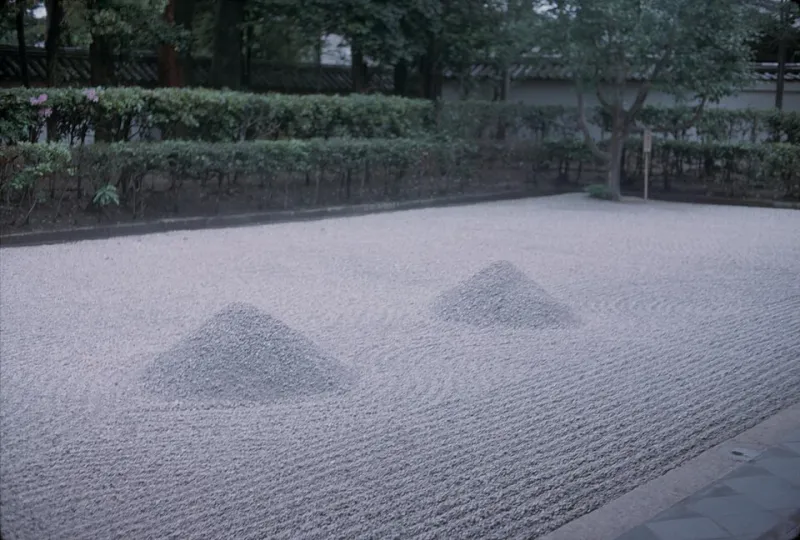
Photo: Carlquist, Sherwin John, 1930-2021, CC BY 4.0, via Wikimedia Commons
Most small Wirral gardens don't fail because of the planting. They fail at the threshold — the bit between the back door and the bench, where the lawn turns to soup and the path becomes a slip hazard. In a compact plot, every square metre has to do a job, and the surface you walk on is no exception. It isn't just a route; it sets the mood, handles the rain and decides how much of the year you can actually use the garden.
Start With How You Actually Move
Before comparing materials, watch your own habits for a week. Do you cross the garden in wet trainers to put something in the bin? Drag a watering can? Sit with a cup of tea on a dry-ish morning? In a small Wirral garden, the main route is often also the seating area, the drying zone and the route to the shed. Map it honestly. A path that ignores real movement will be widened informally by muddy footprints, and that tidy border edge will quietly disappear.
Think in zones: the everyday route, the place where a chair actually lands, and the utility strip by the bin or tap. You don't need the same surface everywhere. Mixing is often the cleverest move in a tight space, because it separates uses without adding fences.
The Five Surfaces, Weighed Up
Gravel
Gravel is the forgiving option: cheap, quick, good underfoot in light rain and easy to top up. In a small plot it sounds bigger than it is, which helps a narrow Wirral yard feel less hemmed in. The catch is migration. Loose gravel wanders into borders, gets kicked onto paving and is a nuisance on sloped or heavily used routes. A stabilised gravel system or a decent edge helps, but it costs more. For a low-traffic route or a seating apron, self-binding gravel can hit a sweet spot.
Brick
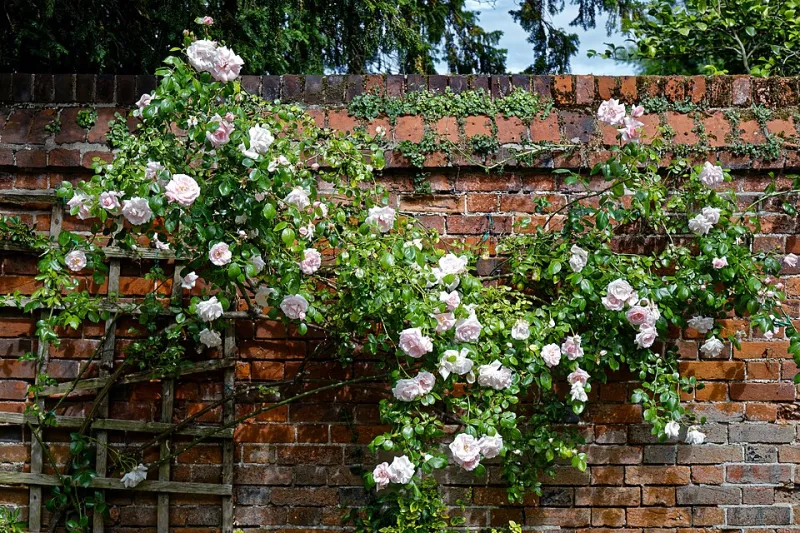
Brick brings warmth and scale. In a compact garden, clay pavers laid in a simple running bond can make a small patio feel generous without looking municipal. They handle our rain reasonably well, especially when laid on a proper permeable sub-base with falls, and they're repairable — lift a few, reset them, carry on. Frost and coastal salt can take their toll on cheaper bricks, so choose a dense, frost-rated paver. Moss will find the joints; whether that's charm or chore depends on your tolerance.
Flagstone
Flagstone — sandstone, limestone or slate — is the premium, low-fuss choice. Broad slabs make a small space feel calmer, and a good flagstone patio is genuinely usable in wet weather because it drains and doesn't turn to mush. The downside is cost and weight. Get the falls and sub-base right or you'll be paying twice. In Wirral's clay, that means proper excavation and a decent base, not a hopeful layer of sand. Large-format slabs with narrow joints look modern; smaller, riven flags suit older homes.
Permeable Paving
Permeable paving sounds technical but it's simply a surface designed to let water through — via gaps, joints or porous blocks — into a storage layer below. It's a sensible response to our increasingly soggy winters and local surface-water pressure. It can be more expensive upfront, and it needs correct installation and occasional brushing to keep working. For a driveway or a patio that takes a lot of rain, it's often the grown-up choice. For a tiny footpath, it may be overkill.
Planted Joints
This is the surface that softens everything. Thyme, creeping chamomile, mind-your-own-business or small sedums between slabs or setts make a path feel like it belongs in the garden rather than sitting on top of it. They're not for the heaviest foot traffic, and they need a weed-free start, but they add scent, colour and a bit of ecological value. In a small plot, a planted joint is a free border: you're growing in the gaps.
Drainage, Clay and the Wirral Water Table
Wirral gardens can be wet. Clay holds water, and in low-lying spots the winter water table does the rest. Whatever surface you choose, water has to go somewhere. Falls away from the house are non-negotiable. A soakaway, drainage channel or rain garden may be needed where water pools. Gravel and permeable paving are more forgiving, but neither fixes a badly graded site.
If your garden floods regularly, spend the money on drainage before you spend it on pretty stone. A cheap patio on a wet site is an expensive mistake. And if you're on the coast — Hoylake, West Kirby, New Brighton — wind-driven rain and salt spray will affect how surfaces weather. Choose frost-resistant, dense materials and accept that some patina is part of the deal.
A Simple Decision Framework
Ask four questions.
First: how much traffic? A daily route to the shed wants a firm, stable surface. A once-a-week seating corner can take gravel or planted joints.
Second: how wet is the site? If water sits, prioritise drainage and permeability, not just looks.
Third: what's the budget, honestly? Include the base, edging and labour. The material is often the smallest part of the bill.
Fourth: what feeling do you want? Gravel is relaxed; brick is warm; flagstone is calm; permeable block is practical; planted joints are soft and informal.
The Feel Factor
In a small garden, the surface is a big visual field. Too many materials and it looks busy; one material everywhere can look like a car park. A useful rule is two hard surfaces plus planting. Let the main route and the main sitting area agree with each other, then use planting or a small gravel detail to soften the join.
The path less paved isn't about avoiding paving. It's about choosing a surface that earns its keep — one that carries you through a wet Wirral winter, feels right underfoot and makes the garden feel more like a room and less like a leftover strip of grass.