After the Downpour: Five Fixes for the Soggy Corner of a Small Wirral Garden

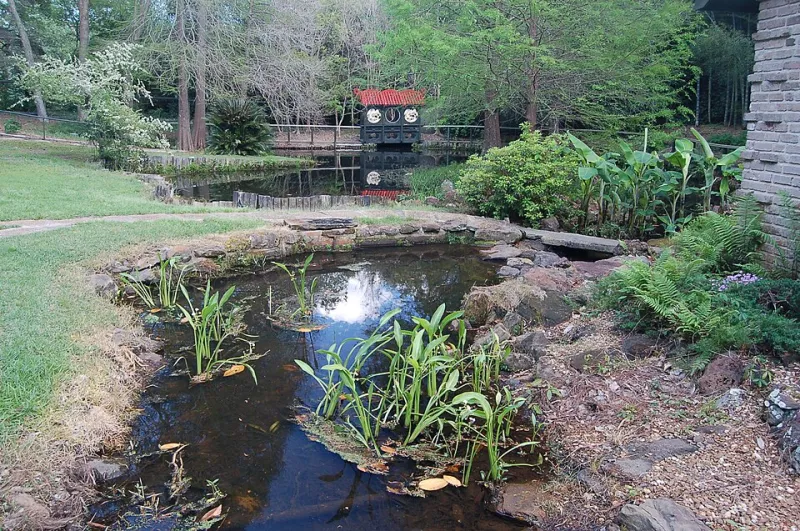
Photo: waterlogged garden lawn corner after heavy rain with gravel path and grasses, UK domestic garden, via ichef.bbci.co.uk
Ten minutes after a heavy downpour is the most useful ten minutes you'll spend in a Wirral garden this winter. Not in summer, when everything looks fine and the ground is dusty. Now — when the gutters are still dripping and the patio has that sheen on it — is when the garden tells you the truth about itself.
Put your boots on, walk the boundary, and look for the places where water is still sitting twenty minutes after the rain has stopped. Those damp patches, that greasy strip beside the path, the corner where the lawn squelches — they're not random. Each one is a small piece of evidence, and once you've read it, the fix tends to become obvious.
This isn't a drainage engineering piece. Most of us with a 6m × 8m plot behind a semi aren't installing a soakaway and a land drain. But there's a lot you can do with a spade, a few plants and a bit of honesty about where the water is coming from.
First, work out which problem you actually have
There are four usual culprits, and they look almost identical from the kitchen window.
Compaction. If the wet patch is on the route between the back door and the shed, or where the wheelie bin lives, or where the kids cut the corner, it's probably compacted. Test it: push a garden fork in. If it takes real effort in wet ground, the structure has gone and water is running off the surface rather than into it.
Clay. Wirral has a good deal of boulder clay under the topsoil, and in places it behaves like a plugged sink. Roll a handful of damp soil between your palms; if it forms a smooth sausage that holds together in a ring, you've got clay. Water will sit on it for days.
Slope. Small gardens often fall a surprising amount — half a metre across a short plot is common on the sandstone ridge side of the peninsula. Water arrives fast at the bottom and pools where it meets a wall, a fence or a raised patio.
A blocked route. Before you dig anything, check the boring stuff. Is the gutter overflowing at a joint? Is a downpipe discharging straight onto the patio with nowhere to go? Has a water butt been full since October, quietly dumping the overflow against the wall? Is there a gully under three years of leaf mould? This is unglamorous, and it solves more wet corners than any amount of gravel.
Fix one: a shallow rain garden rather than a pond
A rain garden is just a saucer — 20–30cm deep, a metre and a half across — positioned where water naturally collects, with a gentle inlet so the runoff finds it. No liner, no pump, no fish. It fills, it drains within a day or so, and in between it looks like a planting bed.
It works because you're giving the water somewhere to slow down instead of somewhere to go. On clay, dig a little deeper and break up the base with a fork, and add grit and compost to the top 15cm.
Plants that don't mind wet feet but still earn their place in a small garden: Carex elata 'Aurea' for golden arching foliage that looks good in January, Iris sibirica for blue in May, Persicaria amplexicaulis for late colour that goes on into autumn, Molinia caerulea for movement, and Caltha palustris if the spot stays genuinely boggy. Fritillaria meleagris will naturalise in a damp lawn edge if you're lucky and patient.
Fix two: raise the bed instead of arguing with the ground
If a corner is hopeless — water sitting for days, no fall, heavy clay — stop trying to drain it and build up instead. A raised bed 30–40cm high gives you free-draining soil, warms up earlier in spring, and makes the whole thing look deliberate rather than defeated.
Use the spoil to build a mound elsewhere. Line the sides with something that suits the house — timber sleepers, brick, galvanised steel — and keep the width sensible so you're not eating your remaining lawn. This is also the most honest answer for anyone who wants to grow vegetables in a damp Wirral garden: raise it, fill it with a soil-and-compost mix, and stop worrying.
Fix three: let the path do some of the work
A solid impermeable path dumps its water onto the nearest bed, which is often why the border beside the patio is the wettest part of the garden. Swapping a strip of it for gravel, stepping stones set into grit, or permeable block paving spreads that load out.
If you keep a hard surface, make sure it falls away from the house — roughly 1 in 80 is plenty — and finishes in a gravel-filled trench or a planted strip rather than against the fence.
Fix four: audit the route, not just the puddle
Half a day with a ladder and a torch is genuinely worthwhile. Clear the gutters, re-aim downpipes into a water butt with a diverter, and check where the overflow goes. If you have a gully or a drain, lift the cover and see whether it's silted up.
For a persistent channel of water crossing a path, a shallow gravel-filled trench — geotextile, 10–15cm of clean stone, pipe if you like — will often do the job in a small garden without the disruption of a proper French drain. It only needs a fall of about 1 in 100, so a modest slope is enough.
Fix five: open the soil up and keep feeding it
On compacted ground, spike it with a hollow tine in autumn, brush sharp sand or grit into the holes, and mulch with 5–7cm of organic matter every year. Don't walk on wet beds — put a plank down. It's slow work, but a season of mulching changes how a clay soil behaves more than any single gadget.
One last thing: if the water is arriving from next door's extension or a shared drain, have the conversation early and keep it friendly. And if a low corner holds water for days in a garden with small children, either fence it or plant it densely rather than leaving an open sump. A wet corner is a design problem, not a disaster — but it does need a decision.