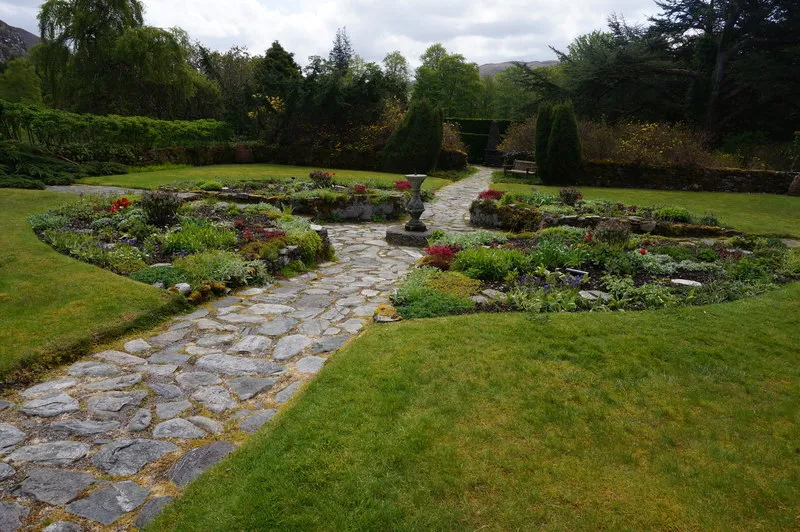
The Two-Hour Garden: Designing a Wirral Plot Around the Time You Actually Have
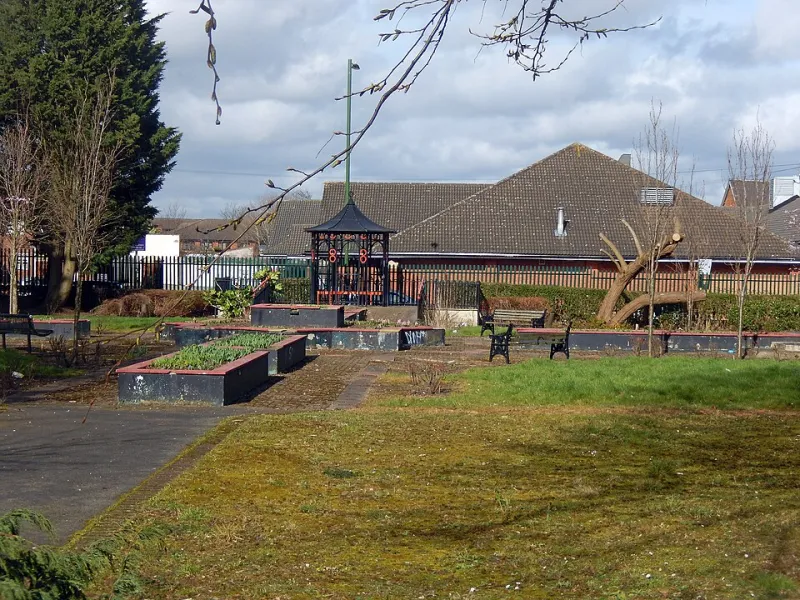
Photo: Stephen McKay , CC BY-SA 2.0, via Wikimedia Commons
Most small Wirral gardens are not undone by bad taste. They are undone by a maintenance load nobody wrote into the brief. The paving goes green on the north side. The hedge needs its third cut. The lawn turns into a moss sponge. By February, the whole plot feels less like an outdoor room and more like a list of chores with a gate on it.
The answer is not to give up and lay gravel over everything. Low-maintenance should mean low-effort, not low-design. There is a real difference between a garden that looks after itself and one that simply surrendered. The trick is to design for the weekend you actually have—not the imaginary one where you spend Saturday deadheading and Sunday edging.
Start with an honest timesheet
Before you look at plants or paving, work out what you can genuinely give the garden. For many people in Wirral, that is an hour or two a week through the growing season, plus a couple of bigger sessions in spring and autumn. That is enough for a well-designed small garden. It is not enough for a collection of high-maintenance set pieces.
Be specific about the jobs you dislike. If edging drives you mad, design fewer edges. If moss on paving makes you feel defeated, fix the fall and the shade rather than reaching for the pressure washer every month. If you hate clipping, avoid hedges that demand three cuts a year. A garden that suits your habits will always look more intentional than one that suits a magazine spread.
Damp, wind and the Wirral default
Wirral gardens are mild, wet and breezy. That combination is generous to plants but hard on surfaces. Moss and algae settle on shady paving, fences take a beating, and exposed plots near the Dee or the Mersey feel the wind long after the forecast has moved on.
Design with that climate rather than against it. Paving needs a proper fall away from the house, larger slabs or permeable joints, and a base that drains. Tight-jointed paving in a shaded corner is an invitation to green slippery film. Decking can work, but not in a damp, north-facing pocket where it never quite dries out. Gravel with a stabiliser is a good low-effort surface for seating areas and paths, provided it is edged properly so it stays where it is put.
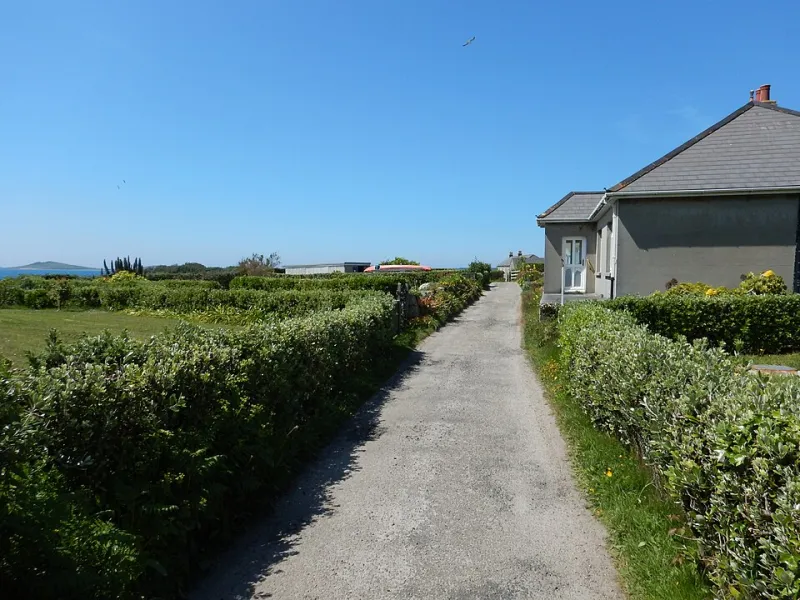
Boundaries matter too. A slow-growing hedge such as yew, holly or hornbeam asks far less of you than privet or leylandii. If you want a fence, build it well and use climbers sparingly rather than letting a fast-growing tangle take over. The goal is a boundary that does its job without becoming a seasonal project.
Plants that earn their keep
Start with structure. Evergreens and reliable shrubs give a small garden its bones, so it looks composed even when the perennials have collapsed. For damp shade, Sarcococca, ferns, epimedium and Geranium macrorrhizum are far more useful than fussy bedding. For windy spots, compact shrubs such as Euonymus and Viburnum tinus cope better than tender exotics that need cosseting.
Be honest about the plants that quietly become a second job. Annual bedding needs replacing. Lavender sulks in heavy, wet soil unless you improve drainage. Anything tall and floppy will need staking. Fast-growing climbers can be useful, but only if you are prepared to cut them back. Bulbs naturalised in the border or lawn are a much better return on effort than a summer display that has to be replanted every May.
Mulch is the unglamorous hero of the low-effort garden. A good layer in spring suppresses weeds, holds moisture and makes the whole plot look cared for. Repeat plants in generous groups, too. Repetition reads as design, and it cuts down the mental clutter of too many one-offs.
Fewer edges, bigger moves
Small gardens often fail because they are divided into too many little zones. Every extra bed, path and lawn edge is another line to maintain. Consolidate instead. One generous border will ask less of you than five narrow ones. A simple lawn shape is easier to mow than a curvy one. Group pots near the tap or a water butt so watering is a single trip, not a tour of the plot.
If you want an outdoor room, make it robust. Choose furniture that can stay out or store easily, and keep the space around it clear. A small garden feels intentional when the big gestures are simple: a decent table, a clear path, a repeated plant, a surface that drains. It feels neglected when the details multiply and none of them quite work.
The difference between low-effort and given-up
A garden that has given up is usually bare, brown or covered in plastic grass. A low-effort garden is edited. It has structure, good surfaces and plants that suit the place. It may still need a tidy in March and a cutback in autumn, but it does not ambush you every weekend.
That is the standard worth designing for in Wirral: a garden that looks deliberate after two hours, not one that looks impressive only if you cancel your plans. The weekend you actually have is the one the garden should be built around.