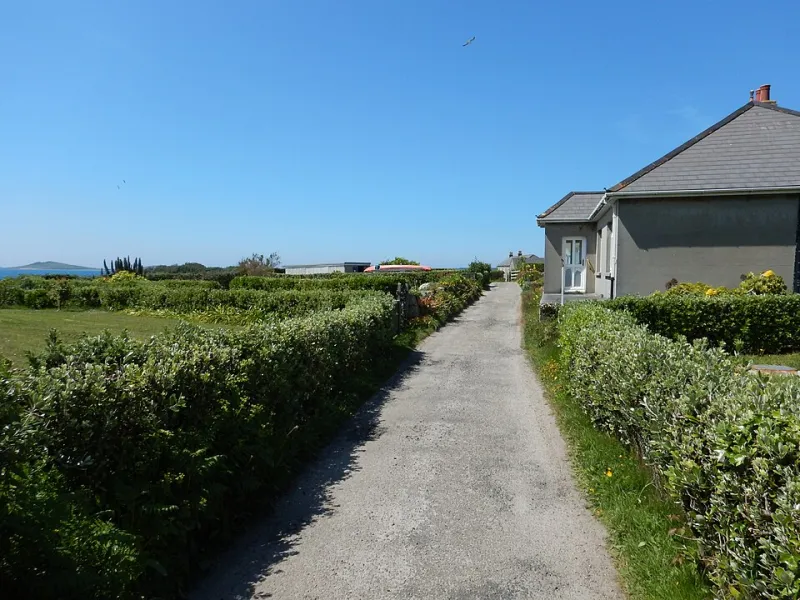
Through the Kitchen Glass: Designing a Small Wirral Garden for the Indoor Viewer
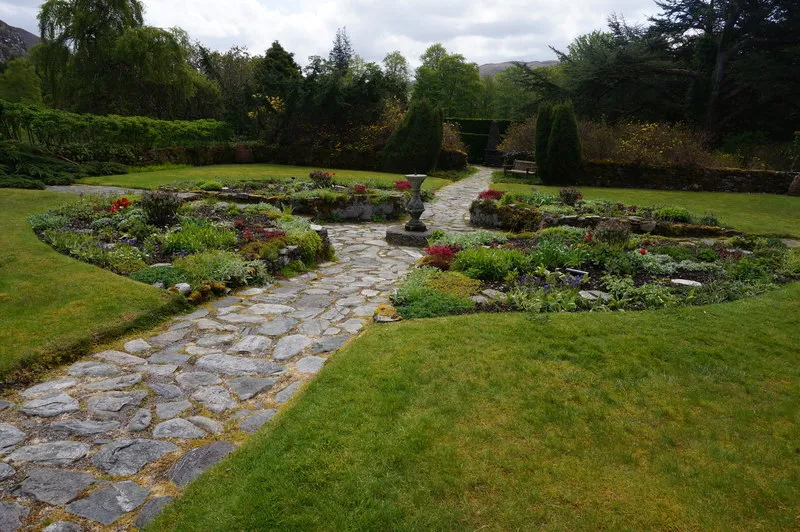
Photo: jeff collins , CC BY-SA 2.0, via Wikimedia Commons
By early November, most of us have stopped using the garden in the way we did in July. The light goes before the working day ends, the grass holds water, and the back door lets in a draught. For the next few months, the main audience for a small Wirral garden is indoors: someone at the kitchen sink, a child at the back bedroom desk, a sofa facing the patio doors. That changes what the plot needs to do. It is no longer only a place to stand in. It is a picture to live with.
Designing for the indoor viewer is not about making a garden that looks good from every angle. It is about making it look good from the angles you actually use. On a wet, windy peninsula plot, that is a relief. You can stop trying to solve the whole space and start editing the view.
Start with the windows you actually use
Ignore the ones you walk past. Think about the kitchen window above the sink, the back bedroom that doubles as a study, the landing window you stop at on the stairs. Those are the frames that matter. Stand at each one at different times of day and note what dominates. It might be the bin store, a bare fence panel, the neighbour's extension, or a shrub that has grown into a brown blob. You cannot design around a problem you have not named.
In a small Wirral garden, the view from indoors is usually narrower than we think. A window gives you a rectangle, not a panorama. That rectangle needs a centre of gravity. It might be a small tree in a pot, a group of evergreens, or a bench with a dark backdrop behind it. Without one, the eye lands on whatever is brightest or most cluttered.
Put structure at the edges, not the middle
A common mistake is to plant the best thing right in the middle of the lawn, where it blocks the view and makes the garden feel smaller. From indoors, height works better at the sides. A pair of evergreen shrubs framing the window, a small upright tree to one side, or a tall pot by the patio doors will pull the eye outwards. The middle can stay low and open, which makes a small plot feel wider than it is.
Evergreen structure matters more than floral fireworks in winter. Think of shrubs that hold their shape without needing a haircut every five minutes: euonymus, sarcococca, skimmia, mahonia, unavoidable but useful laurel, and grasses that keep their seedheads. In exposed Wirral gardens, avoid anything too tender or too brittle. The wind will find it. A simple framework of dark green, with a few lighter accents, gives the window a view even when everything else has gone underground.
Give winter something to say
Once the structure is in, add scent and small details near the glass. Winter honeysuckle, sarcococca, daphne and viburnum all earn their place in a small garden because they can be smelled from the doorstep or noticed from the kitchen. Hellebores, winter aconites and snowdrops work at ground level, though they need to be close enough to the window to read. A pot of winter-flowering heather by the back door will do more for the indoor viewer than a whole border of summer perennials that is invisible in December.
Berries and stems are the quiet performers. A crab apple, a pyracantha trained against a wall, or a dogwood with coloured stems will catch low winter light. In a small plot, one or two of these is enough. The temptation is to collect, but the window view needs clarity. Too many features become noise.
Light for looking at, not sitting in
Subtle lighting transforms a winter view. The aim is not to flood the garden like a car park. It is to give the eye somewhere to rest after dark. A small uplighter at the base of a tree, a warm-white stake light behind a pot, or a low wall light washing across a fence can make the garden readable from indoors. Keep the colour warm, avoid glare, and put everything on a timer so it is not left on all night.
Safety matters. Cables should be outdoor-rated, connections kept dry, and lights positioned so they do not shine into a neighbour's window. In a small, overlooked Wirral garden, a little light goes a long way. The best compliment is not that the garden is brightly lit, but that you can see its shape.
Screen the view without blocking the sky
If the window looks straight at a neighbour, the answer is not always a six-foot fence. That can make a small garden feel like a box. A trellis with an evergreen climber, a pleached shrub, or a row of tall pots can mask the eye-level view while keeping light and air above. In windy spots, fix anything tall securely. A loose panel or a flapping climber will undo the calm you are trying to create.
Keep the picture easy to maintain
The indoor viewer sees the garden at its worst: wet leaves, dead stems, a pot that has tipped over. That is why low-maintenance choices matter. Mulch beds to suppress weeds, group pots near the door so watering is quick, and choose plants that do not need deadheading in the rain. A garden that looks good through glass in January is usually a garden that has been edited, not one that has been overfilled.
When you have finished planting, go back to each window and look again. If the view is cluttered, take something out. If it is flat, add one vertical element. If it is gloomy, add a light or a lighter leaf. The test is simple: does the garden give you something to look at while the kettle boils? If it does, it is doing its job.