The Garden That Waits: A Holiday Plan for Small Wirral Plots

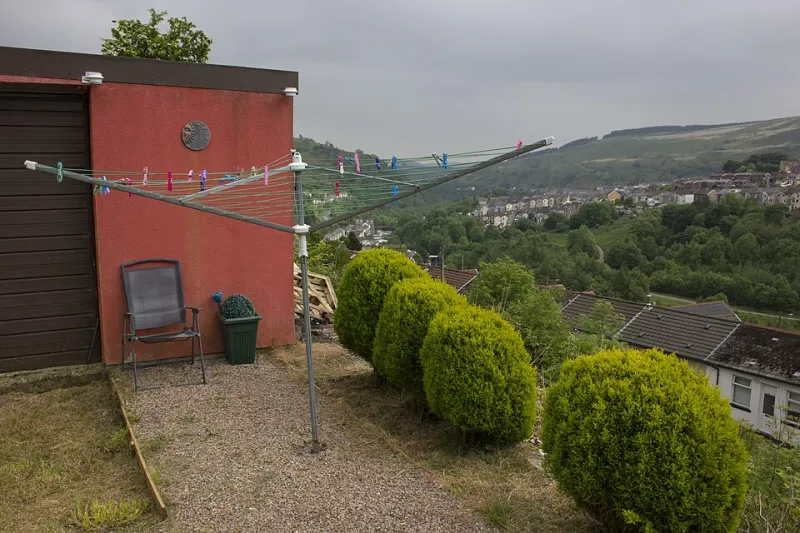
Photo: Malcolm Neal , CC BY-SA 2.0, via Wikimedia Commons
The night before a holiday is not the moment to invent a watering rota. It is the moment to realise that a small garden either works when you are not there or it does not. A fortnight is long enough for a thirsty hanging basket to sulk and a shallow tray of bedding to crisp at the edges, but it is not long enough to ruin a plot that has been set up with absence in mind. The trick is to design for the holiday before you book it, not to spend the last evening running up and down the path with a watering can.
Start with fewer, bigger containers
Small pots are the enemies of a fortnight away. They dry out fast, heat up fast and demand attention exactly when you cannot give it. If you are gardening on a Wirral yard or a narrow strip behind a terraced house, it is tempting to fill every gap with a pot, but a smaller number of generous containers will serve you better. Aim for 30 to 40 litres where you can, in glazed ceramic, thick plastic or wood. Light-coloured pots reflect heat; dark ones absorb it. Either can work, but a big root run buys you days.
Grouping is the other half of the equation. Pots clustered together shade each other's compost, cut wind exposure and make a hand-watering session quicker if a neighbour does pop round. Put the holiday block somewhere out of the prevailing westerlies, close to the house and within reach of a tap or water butt. A bit of clutter behind a shed is not the look you want; a deliberate cluster on a gravel tray is a design decision, and it happens to be a practical one too.
Let the group do the watering
You do not need a laboratory of timers and spaghetti pipe to get through two weeks. A simple drip line from a water butt, run to the thirstiest pots and switched on by a basic battery timer, is often enough. Capillary matting under a group of pots works well for smaller displays. Saucers and gravel trays hold a reserve, though they can look untidy if left all season, so treat them as a holiday measure rather than permanent furniture.
Mulch the top of each pot with a centimetre or two of gravel or fine bark. It looks smarter than bare compost, reduces evaporation and stops rain splashing soil onto leaves. In borders, a five to eight centimetre layer of organic mulch after a good soak will do more for your fortnight away than any last-minute feed. Keep it clear of stems and crowns, and do not mulch dry soil as if you are tucking it in; water first, then cover.
Plant for the fortnight, not the weekend
A holiday-ready garden is planted with things that can shrug off a missed week. In Wirral, that means plants that cope with wind, salt and the odd soaking as well as a dry spell in June. Rosemary, lavender, thyme, sedum, hardy geraniums, euphorbia and hebes are all sensible company. Silver leaves and stout stems earn their place. Ferns and hardy grasses can carry the shade. What you want to avoid is a collection of thirsty annuals, unrooted cuttings and anything newly planted in the week before you leave.
If you already have hanging baskets or tender bedding, move them into shade before you go and group them together. Do not feed them hard on the way out; soft growth needs more water, not less. A fortnight is also a useful audit. The plants that come through without complaint are the ones to repeat. The ones that collapse are telling you something about your plot, your pots or your expectations.
Make the layout easier to leave
The best holiday garden is a bit boring in the right places. Put the water butt where you can reach it without tramping through a border. Keep the hose route clear. Make sure a neighbour or friend can get to the pots without moving furniture or squeezing past a spiky shrub. If you have a side passage, use it as a service edge rather than a graveyard of leftover pots. The garden should look after itself, but it should also be easy for someone else to look after.
Raised beds with decent soil volume hold moisture better than shallow borders. A gravel mulch on beds can help, though it suits some plants more than others. Paths should be clear enough to walk with a watering can in one hand. These are not glamorous decisions, but they are the ones that make a small Wirral plot feel calm when you lock the back door and head for the station.
The return is part of the design
Coming home is not the moment to panic. Some leaves will flop; a few flowers will have gone over. Water deeply, but do not flood a stressed plant or reach straight for the feed. Check the pots first, then the borders. A fortnight away is a useful test of what your garden really needs, and it is often less than you think. The plot that waits for you is not neglected; it is set up to get on with things. That is a better holiday souvenir than a brown basket and a guilt complex.