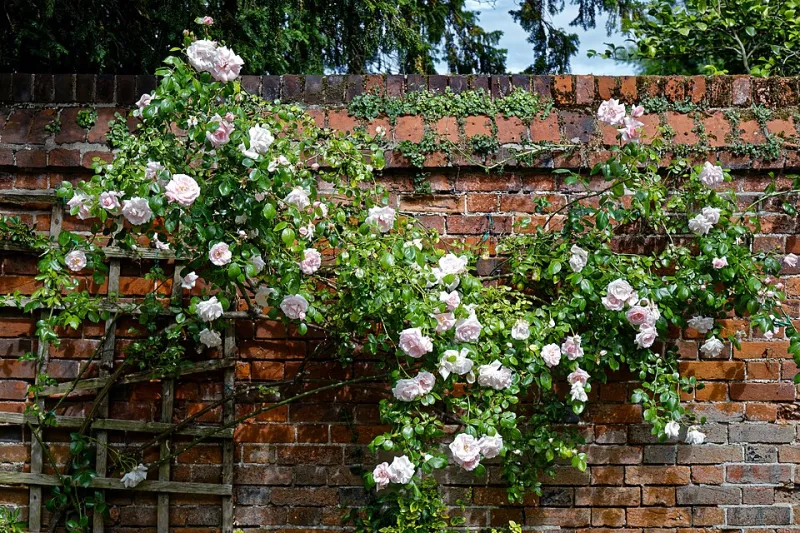
The Quiet November Job That Gives a Small Wirral Garden Its Bones

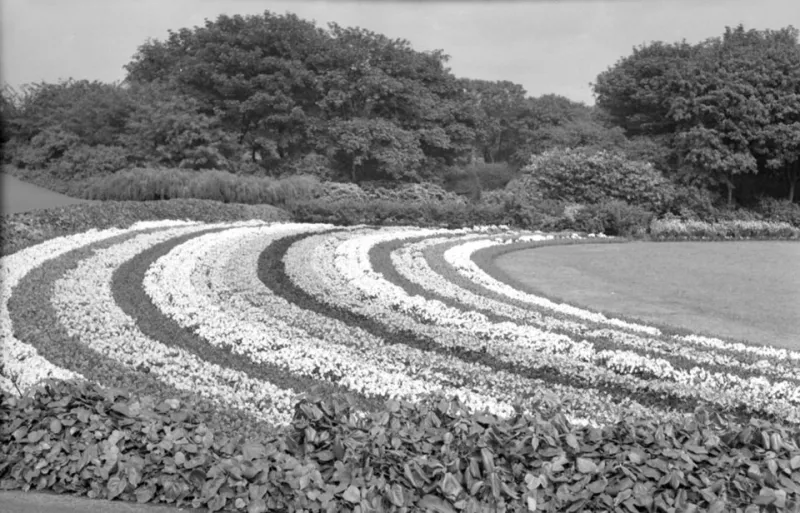
Photo: Internet Archive Book Images, No restrictions, via Wikimedia Commons
November can feel like the garden is closing down. The pots are bare, the lawn is soft underfoot, and the light has that low, silvery quality that makes even a neat border look a bit tired. But for bare-root plants, this is opening time. Between leaf fall and bud burst, field-grown hedging and shrubs are lifted and sold without soil around their roots. They are light to carry, cheap to buy in quantity, and—if the ground is workable—quick to settle before spring.
For small Wirral gardens, that matters. A hedge is not just a boundary; it is a windbreak, a privacy screen, a backdrop for perennials and a frame for an outdoor room. And because bare-root season runs from roughly November to March, it gives homeowners a useful window to plant structure now, while the soil is still mild and damp, rather than waiting for the spring rush.
Why bare-root suits Wirral's winter
Wirral's climate is generally mild and damp, with coastal air moving in from the Dee Estuary and the Mersey. That means winter soil is often workable when gardens further inland are locked up by frost. It is not a guarantee—avoid planting when the ground is frozen, snow-covered or sitting in standing water—but it does make the dormant season a realistic planting window rather than a theoretical one.
Bare-root plants are dormant. They are not trying to push leaves or flowers, so the move is less stressful. The roots go into the soil, make contact with the damp earth, and begin to establish before the growing season starts again. In a small garden, where every plant has to earn its place, that early establishment is valuable. You are not just buying a hedge; you are buying a year of root growth that happens quietly while the rest of the garden sleeps.
There is a practical argument too. Bare-root whips are usually cheaper than potted equivalents, which means a small garden can afford a proper run of hedging rather than three lonely shrubs in pots. They also use less plastic and fewer growing-media inputs, which appeals to gardeners trying to make quieter choices.
Choosing species for coastal air and local soil
Wirral gardens are not all the same. A plot near West Kirby or Hoylake may take more salt-laden wind than a sheltered garden in Heswall or Birkenhead. Soil can range from free-draining sandy ground near the coast to heavier clay in pockets inland. Before ordering, look at how water behaves in winter and how much wind the hedge will actually face.
For exposed coastal spots, tough natives and near-natives are a sensible backbone. Hawthorn is hard to beat for a mixed hedge: thorny, wildlife-friendly and tolerant of wind. Blackthorn, field maple and hornbeam are also useful. Hornbeam holds on to its leaves through winter in a way that gives a small garden more screen when it needs it most. Yew is slower, but it is dense, evergreen and long-lived—a real long-term investment. Holly brings evergreen structure and berries, though it can be slower to establish. Sea buckthorn is a specialist for really exposed coastal ground, but it suckers and needs space, so it is not the first choice for a tiny plot.
On heavier soil, improve drainage before planting. Fork in compost and a little grit over the planting strip rather than trying to remake the whole border. On sandy soil, bulky organic matter helps hold moisture and nutrients. If you are set on beech, remember it dislikes wet, heavy ground; hornbeam is often the better bet in a damp Wirral winter. For a small garden, avoid the fastest-growing thugs unless you enjoy trimming. Yew, hornbeam and field maple are more manageable neighbours than leylandii or rampant privet.
Planting a hedge that frames, not swallows, the garden
A small garden cannot spare two metres of depth for a hedge. It does not need to. A single row of native whips planted at 30–45cm spacing will knit into a useful screen without eating the plot. If you want a denser hedge faster, choose larger bare-root transplants and space them a little wider—perhaps 60–90cm—rather than cramming in more plants than the ground can support. Check boundary ownership and any deeds before digging, and leave enough room to trim both sides.
Clear a strip about 60cm wide, remove perennial weeds, and fork in compost. Plant at the same depth as the nursery mark, firm the soil gently around the roots, and water well. Mulch with 5–7cm of bark or well-rotted compost, keeping it clear of the stems. On exposed sites, a temporary windbreak or mesh guard can help in the first season, but avoid wrapping plants so tightly that air cannot move.
Watering is the job people skip. Even in Wirral, a newly planted hedge needs help in a dry spell during its first spring and summer. It is better to water thoroughly once a week than to give a light sprinkle every day. Formative pruning—lightly tipping sides and top—encourages a bushy base rather than a leggy screen with a gap at eye level.
The outdoor-room payoff
A hedge is one of the most efficient pieces of garden design in a small space. It can screen bins, soften a fence, hide a shed, divide a lawn from a seating area or frame a view. It gives birds and insects somewhere to live. It cuts wind at sitting height, which makes a patio usable on breezy days. And because it is living, it changes through the year rather than looking the same in every photograph.
The trick is to choose a hedge that earns its keep in all four seasons. A mix of evergreen yew or holly with deciduous hornbeam or hawthorn gives winter structure and summer softness. Keep the line simple. In a compact Wirral garden, a clean run of hedging along one boundary is often more effective than a maze of little partitions. The hedge becomes the wall of the outdoor room; the planting in front becomes the furniture, colour and movement.
Bare-root season will not last forever. If the ground is not waterlogged or frozen, the coming weeks are a good time to get a hedge in. Order early, plant while the soil is still mild, and give a small garden the bones it needs before the spring growth arrives.