After the Turf Rolls Away: A First-Year Planting Plan for New-Build Wirral Gardens

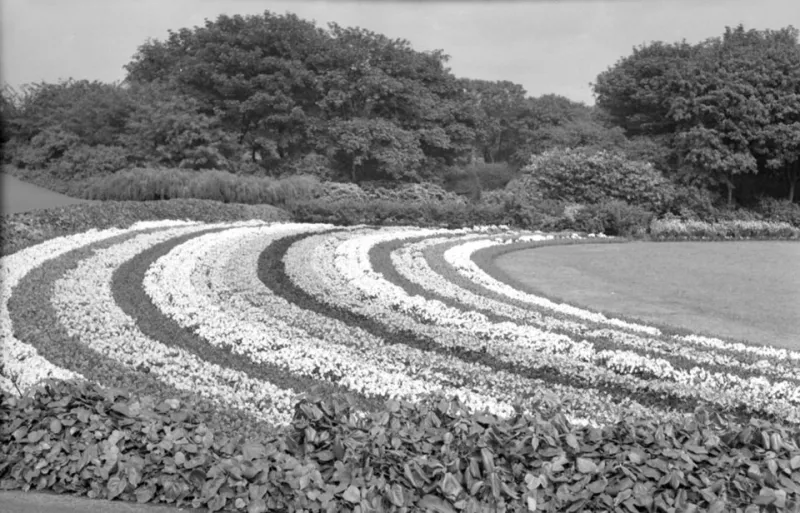
Photo: Steven Brown, CC BY-SA 2.0, via Wikimedia Commons
The plot you did not choose
New-build gardens have a reputation problem. The turf goes down, the fence goes up, and the homeowner is handed a blank rectangle with a patio slab and a washing line. On a Wirral plot, that rectangle often comes with compacted subsoil, a thin layer of topsoil, builder's rubble just below the surface, tall fence panels that cast shade, and wind that finds every gap. None of that is a disaster. It is just a different starting point.
The first year should not be about creating a mature garden. It should be about fixing the ground, setting up shelter and planting the things that will still be there when the garden settles.
Fix first: soil, drainage and wind
Before you buy a single perennial, dig a test hole. If water sits in it overnight, you have a drainage problem. If the spade hits brick and gravel, you have a rubble problem. If the soil is pale, sticky and airless, you have compaction. All three are common on new-build plots.
Start by defining the borders properly. A 30cm strip against a fence is not a border; it is a dustbin for weeds. Widen it to at least a metre where you can. Break up compaction with a fork, remove the worst rubble, and add organic matter. Do not rotavate wet clay; you will make a mess. Work from the lawn edge and keep off the soil when it is sodden.
Shelter is the second fix. Tall solid fences are not a windbreak; they create eddies. A permeable screen, a slatted fence or a native hedge filters wind more gently. If the plot is exposed, plant a windbreak hedge on the windward side and give it a chance to establish before you fill the border with fragile plants.
Phase one: the dormant season
If you are starting in November, use the dormant season. Bare-root hedging and small trees establish well now, while the soil is still warm enough and the plants are asleep. Plant hawthorn, hornbeam or blackthorn for a robust hedge. Choose a small tree that can take wind: Amelanchier, Crataegus or Sorbus. Water them in, mulch around the base, and stake only if necessary.
Do not plant tender perennials yet. They will sulk, rot or blow apart. Spend the winter improving the soil and watching where the wind actually hits.
Phase two: spring structure
In spring, plant the bones of the garden. Evergreen shrubs give the plot something to look at in winter and shelter for wildlife. Euonymus, hebe, Griselinia and hardy ferns are useful on exposed Wirral plots. For shade cast by a tall fence, try sarcococca, epimedium and hellebores.
Perennials can go in once the soil has warmed. Choose tough, clump-forming plants rather than delicate divas. Hardy geraniums, nepeta, verbena, sea thrift and ornamental grasses will cope with wind and occasional drought better than most. Plant in groups of three or five so the border reads as a composition rather than a jumble.
Phase three: summer observation
The first summer is for watering and watching. New plants need help until their roots spread. Mulch to 5–7cm to hold moisture and suppress weeds. If a plant fails, do not replace it with the same thing immediately. Work out whether the problem is wind, shade, drainage or salt.
This is also the year to notice how the garden is used. Where does the sun sit at 6pm? Which corner is a wind tunnel? Where does the fence cast the longest shadow? Make notes now and plant for those conditions later.
Phase four: the second autumn
By autumn, the garden has had a year to settle. Top up the mulch, plant bulbs for spring, and fill any gaps with perennials that suit the conditions you have observed. If the hedge has established, you can start lightly trimming it to encourage density.
A palette that can take it
For small trees: Amelanchier lamarckii, Crataegus monogyna, Sorbus aria. For shrubs: Euonymus fortunei, Hebe, Griselinia littoralis, Hydrangea paniculata. For perennials: Geranium 'Rozanne', Nepeta, Verbena bonariensis, Stachys byzantina, Festuca glauca. For shade: ferns, Epimedium, Helleborus, Sarcococca. For hedging: hornbeam, hawthorn, privet.
What not to do
Do not plant into rubble and hope. Do not rely on annuals to cover a bad border. Do not fill a windy plot with tall, brittle plants. Do not expect a new-build garden to look mature in twelve months. The first year is about giving the garden a foundation. The reward comes later.