The Green That Moves In First: Living With Moss in a Wirral Garden
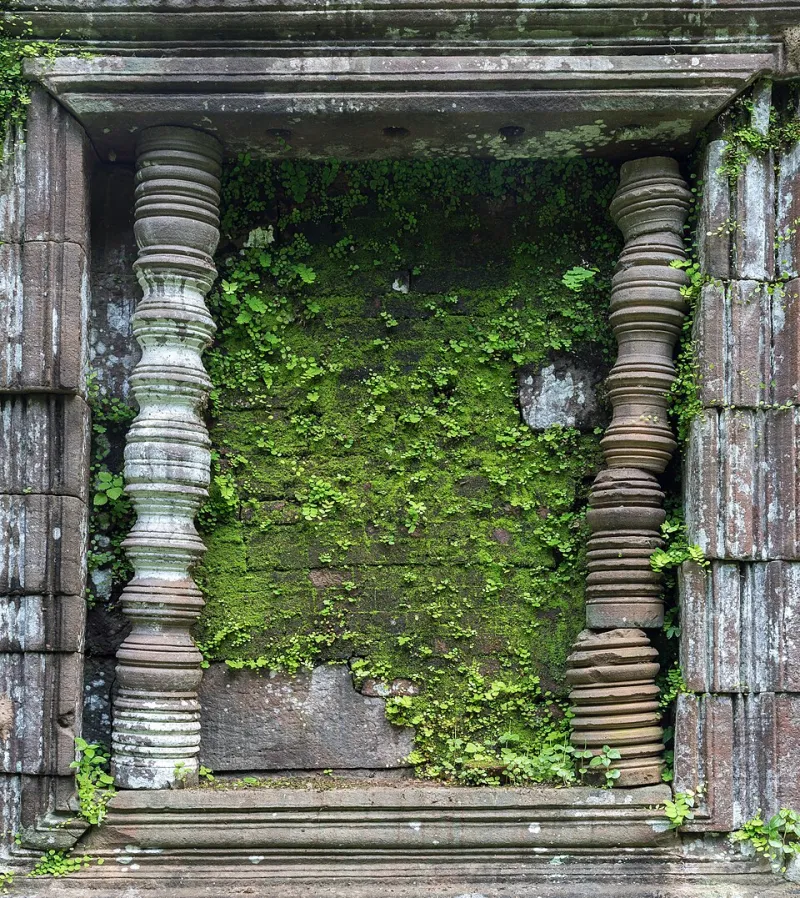
Photo: Basile Morin, CC BY-SA 4.0, via Wikimedia Commons
There is a particular green that turns up in Wirral gardens at this time of year, and it is never the green you planted. Walk out on a damp November morning and the north-facing step is slicker than a fish slab, the lawn squelches rather than springs, and the gutter you meant to clear in October has quietly started its own hanging garden.
The instinct is to declare war. But moss is the most successful plant in this borough for a reason, and declaring war on it is roughly as sensible as declaring war on the weather off the Irish Sea. The better question is narrower and far more useful: which moss is actually costing you something, and which is doing a job you would otherwise have to pay a landscaper to do?
Why Wirral grows moss better than almost anywhere
Moss needs four things: moisture, shade, an undisturbed surface, and soil that is either compacted or low in fertility. Wirral supplies all four without trying. The winters are mild, the air is damp for about eight months of the year, and the peninsula is full of the kind of shade that comes from established hedges, fence panels and next door's leylandii.
Soil matters too, and it varies more than people expect. The middle of the peninsula — Bebington, Bromborough, parts of Prenton — sits on heavy clay that holds water long after the rain stops. Out towards West Kirby, Hoylake and Meols the ground is sandier and drains fast, so moss there tends to be a shade-and-compaction story rather than a wetness one. Either way, the plant that quietly wins is the one that does not need deep roots, does not need feeding, and does not mind being walked on.
Where moss is genuinely costing you
Steps, paths and decking
This is the one that deserves a proper answer rather than a shrug. Moss on a level path is a cosmetic issue. Moss on a north-facing step in November is a trip to Arrowe Park. If your steps go green every winter, that is not a maintenance failure, it is a design failure — the surface is smooth, the shade is permanent, and nothing is intercepting the water.
Lawns that look green but are thinning
A mossy lawn can look deceptively healthy in winter and then collapse in a dry June. The moss sits on the surface, the grass beneath thins out, and when the rain stops there is nothing left with roots deep enough to cope. If you can push your fingers into the turf and it gives like a damp cushion, the grass is losing.
Gutters, walls and the damp that follows
Moss holds water. Water on a wall is fine; water held against a wall is not. If the green is creeping up a rendered elevation or sitting in the gutter above a bedroom window, you are looking at a slow, expensive problem rather than a soft one.
Where moss is quietly earning its place
Now the honest part. In dry shade under a hedge, on a north wall, on a bank too steep to mow safely, moss is the best ground cover you will ever get for nothing. It is soft, it is green in the months when everything else is grey, it asks for no feeding, no mowing and no watering, and it supports a surprising amount of small invertebrate life that birds then eat.
A garden that is entirely moss would be a bore. A garden with none is a garden fighting its own conditions. The trick is to stop treating it as a single thing and start treating it as a plant with preferences, like any other.
The three-way decision: keep, redirect, remove
Keep it where it is not walked on, not touching timber or render, and not competing with something you actually want. Shaded borders, wall tops, the awkward strip behind a shed, the damp corner you have never quite solved — leave it. It is doing the job.
Redirect it where it is nearly right but in the wrong place. Lift mossy turf from a path edge and use it on a bank, around the base of a fern, or between the joints of a rough wall. It transplants easily in wet weather and knits in within a season.
Remove it where safety, drainage or structure is involved. Steps, decking boards, gutter runs, the base of a fence panel, anything within a metre of a door threshold. There, the fix is not a moss killer but a change of conditions: better airflow, less shade, a non-slip surface, water directed away instead of down.
On lawns, work in this order — aerate, scarify, raise the mowing height slightly, and overseed with a shade-tolerant mix in early autumn rather than spring. Moss moves into thin grass, so the real answer is thicker grass, not a stronger chemical.
Plants that make moss look intentional
This is the part most people miss. Moss reads as neglect when it is the only thing in the border and as design when it has company. Ferns are the obvious partner — dryopteris, polypody, the soft shield fern — and they carry the same shade-tolerant, low-input attitude. Around them, hellebores for winter flower, epimedium and tiarella for spring ground cover, woodrush and carex for texture, and drifts of snowdrops and cyclamen for the six weeks when the moss is the backdrop rather than the star.
Against a damp wall, add sarcococca for scent in January and a climbing hydrangea for structure. Neither minds the conditions that produced the moss in the first place, which is the whole point: work with the site instead of pretending it is a different one.
Surfaces that make the same argument
Moss looks deliberate against things that are already irregular. Rough sandstone flags, clay pavers, cobbles, gravel, timber sleepers and stacked stone all make the green read as a joint filling rather than a stain. It looks accidental against smooth concrete, machined paving and painted render, because there is nowhere for it to belong.
If you are redoing a shaded path this winter, that is worth bearing in mind. Choose a textured, slightly open surface with a fall on it, and the moss will come back — but it will come back looking like part of the scheme.
A short November checklist
Scrape the steps and add grit or a non-slip strip. Clear the gutters before the worst of the weather. Push a fork into the lawn to see whether the problem is compaction or drainage. Then walk the garden and ask, honestly, which patches of green you would miss if they went. Keep those. Deal with the rest.