Inherited Ground: How to Read a Wirral Garden Before You Change It
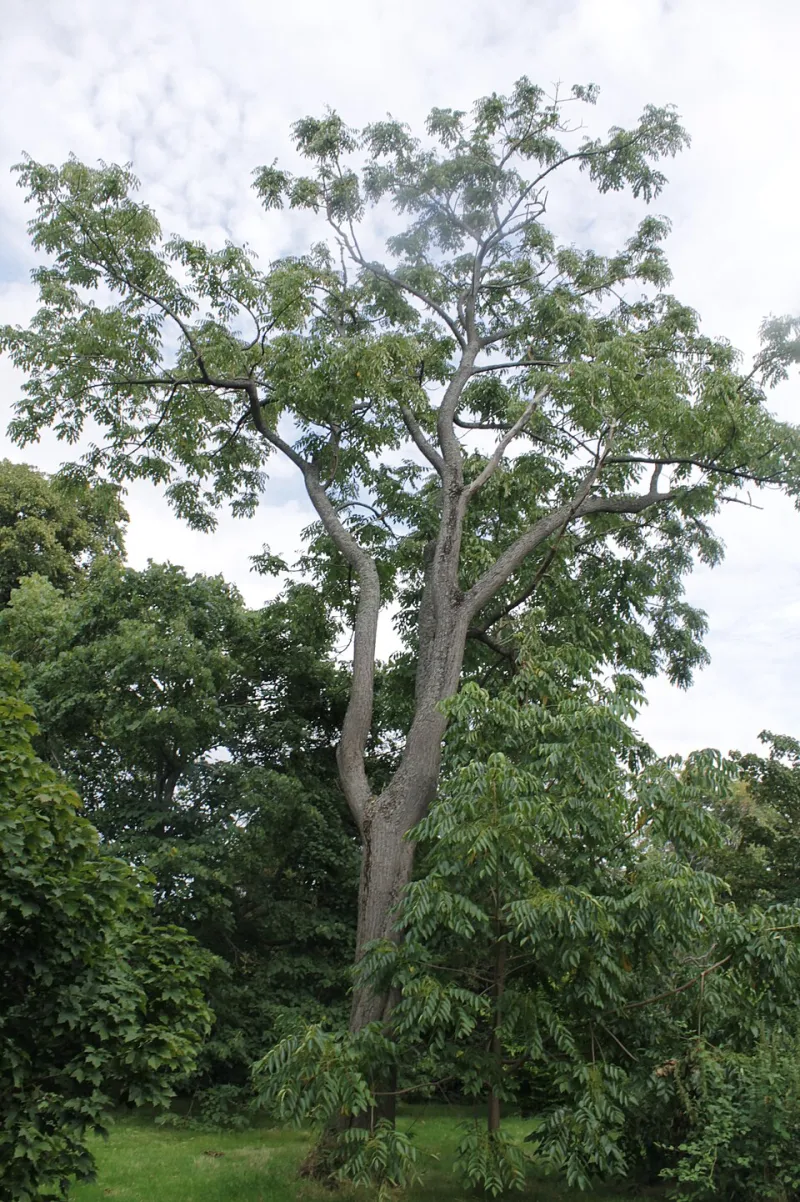
Photo: Stephencdickson, CC BY-SA 4.0, via Wikimedia Commons
There is a particular moment, usually in the first spring after moving house, when you stand at the kitchen window and realise the garden is not a blank sheet. Someone else chose those shrubs. Someone else put the apple tree there. The border is full of plants you did not invite, and half of them you cannot name. The instinct is to clear it all and start fresh. Resist that instinct for a while. An established garden is a record of what has worked on that patch of Wirral ground, and it is worth learning to read before you rewrite.
Start with a season of looking
You do not need to wait a full year before doing anything, but you do need to watch a full year before deciding everything. Gardens reveal themselves in sequence. The thing that looks like a dead stick in February may be a late-flowering perennial. The dull green mound in April may be a shrub that earns its place in October. Take photographs of the same corners through the seasons — the wet corner, the windy edge, the strip beside the fence — and note what appears, what fades and what never comes back.
In Wirral, that means paying attention to the wet months as much as the bright ones. A border that looks generous in June can be a swamp in January. The previous owner may have planted accordingly, whether they knew it or not. Rushes, sedges and creeping buttercup are not just weeds; they are drainage reports written in leaf.
The plants worth keeping
Not everything inherited deserves a reprieve, but some plants are almost impossible to buy back at the same size. A mature evergreen shrub, a healthy climber, a fruit tree with a decent framework — these take years to replace. Look at the base of each one. Is the bark sound? Is there dieback at the tips? Is the graft union buried or damaged? A shrub that is merely in the wrong place can often be moved. A shrub that is diseased or hollow at the base is a different conversation.
Climbers are easy to overlook because they look messy. But a mature ivy, honeysuckle or climbing rose on a wall is doing structural work as well as ornamental work. It may be sheltering the wall, shading a too-hot corner, or hiding a bad repair. Before you cut it down, notice what changes when you stand beside it. On a windy Wirral plot, a dense climber can be the difference between a usable seating area and a wind tunnel.
Herbaceous perennials are the most forgiving inheritance. Clumps of hardy geranium, Japanese anemone, crocosmia or sedum can be lifted and divided in spring or autumn, moved to a better spot, or shared with neighbours. Even a plant you dislike can be a useful filler while you decide what you actually want.
Soil and drainage tell you the rules
Before you buy a single bag of compost, dig a few test holes. Fill them with water and see how long it takes to drain. Squeeze a handful of soil: does it smear into a shiny ribbon, or crumble away? Wirral has pockets of clay, sand and everything in between, often within a few streets. The old planting will have adapted to whatever is there.
Look at what is thriving rather than what is merely surviving. A healthy hydrangea suggests reliable moisture. Lavender that has gone leggy and open might be telling you the ground is too wet or too rich for it. Moss on the soil surface is not automatically a problem, but combined with rushes it usually means poor drainage. The garden is not being difficult; it is giving you the site conditions in advance.
Microclimates you did not design
Every garden has accidental microclimates: the warm strip beside a south-facing wall, the frost pocket at the bottom of a slope, the sheltered nook behind a shed, the wind funnel between two houses. The previous owner may have planted into these without ever naming them. Notice where the grass stays green in a dry spell. Notice where the frost sits longest. Notice which plants are further ahead than their neighbours in spring.
A plant that seems oddly placed may be exactly where it needs to be. A tender shrub tucked against a brick wall may be surviving because of stored heat. A fern in a shaded corner may be there because the sun would scorch it. Before you move anything, ask what job it is doing, even if that job is simply proving that the spot is milder than it looks.
Editing, not erasing
The most useful approach is to treat the inherited garden as a first draft. Edit it. Remove what is invasive, diseased or genuinely dangerous — ivy swamping a gutter, a tree too close to the house, a shrub blocking a path. But do it in stages. Take out the worst offender and live with the gap for a season. You may find the light is better than you expected, or that the gap is windier than you wanted.
Prune lightly before you prune hard. Many shrubs will regenerate from old wood, but some will not. If you are unsure, take a little off and wait. For anything taller than a person, especially near a boundary or overhead cable, bring in a qualified arborist rather than guessing.
A short first-year plan
Map what is there. Photograph it. Test the drainage. Note the windy edges and the warm corners. Keep a notebook, even a rough one. Mulch what you keep. Move only what you are confident about. Buy very little in the first year. The garden will tell you what it needs if you give it enough time to speak.
The garden you inherit is not a problem to be solved. It is a conversation already in progress. Learn a few words of the language before you change the subject.